 Fasti
Fasti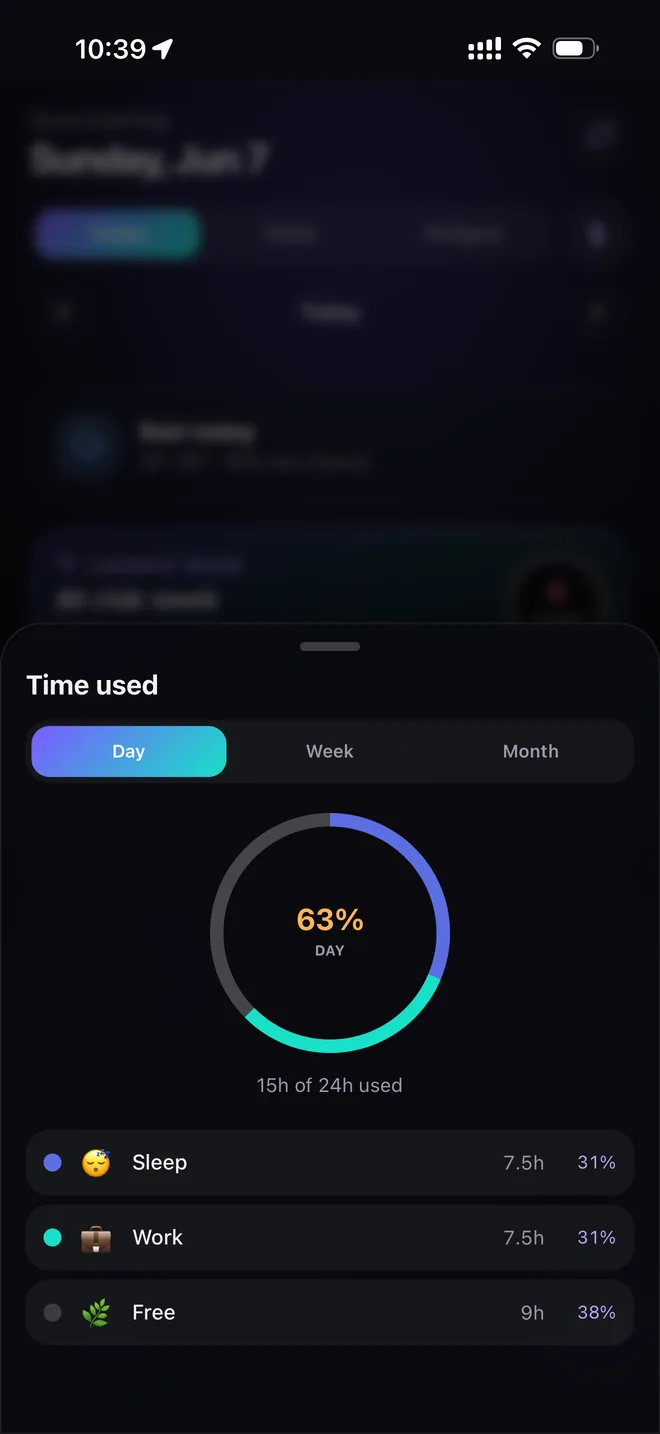
See classes, work and deadlines in the same view
The most common reason time management breaks down for students isn't poor planning — it's planning with incomplete information. If your class schedule, work shifts and assignment deadlines each live in a different place, you can't actually see a conflict until you're already in it. Start with a student schedule planner that holds all three at once, so a shift request that overlaps a lab is obvious before you accept it, not after.
Schedule study time — don't wait for it to appear
"I'll study when I have time" is the single biggest time management mistake students make, because leftover time is the first thing to disappear in a busy week. Instead, treat study sessions like any other commitment: pick a specific block, give it a specific purpose (review chapter 4, not "study"), and put it on the calendar before the week fills up around it. The study planner guide covers how to break a big deadline into sessions that actually fit.
Judge a work schedule against your real availability
A shift schedule that looks fine in isolation can be unsustainable next to a full course load. Once classes and work are on the same calendar, you can actually answer "can I take this shift" by looking at what's already there, instead of guessing and finding out you were wrong the week of a midterm. See the student budget planner for connecting the hours you work to the money you need.
Protect rest like you'd protect a class
A schedule that uses every open hour looks efficient on paper and fails in practice, because it leaves no room for a late bus, a longer assignment, or ordinary fatigue. Block sleep and at least some downtime the same way you'd block a lecture — as fixed, not optional — and let the plan work around it rather than the other way around.
Check in weekly, adjust before it's a crisis
Time management isn't a schedule you set once — it's a plan you check weekly and adjust in minutes instead of discovering the conflict live. A short weekly look at the week ahead, moving what no longer fits, is what keeps a good system working past the first month. See how to stay organized in college for the full weekly-reset habit.
Run a quick time audit before adding more
When a week feels impossible, list the hours already committed before trying to optimize it. Add classes, work, commute, sleep, meals and existing deadlines, then compare the remaining time with the study hours your courses require. This simple student time-management audit shows whether you need a better plan, a smaller workload, or a conversation about changing a shift.
Leave a little buffer for late transit, longer assignments and recovery. A schedule that uses every available hour is not efficient if one delay makes the entire week collapse.
Common questions
How do students manage time between classes, work and studying?
By putting all three on one calendar so conflicts are visible before they happen, then deliberately scheduling study time around fixed classes and shifts instead of hoping free time appears on its own.
What is the biggest time management mistake students make?
Treating study time as whatever is left over after everything else, rather than scheduling it deliberately. Leftover time is unreliable — it disappears first when the week gets busy, which is exactly when you need it most.
How many hours should a student work per week while studying full-time?
There's no universal number — it depends on your course load and how much protected study and rest time is left once classes and a job are both on the calendar. Seeing both together is what lets you judge if a shift schedule is actually sustainable.
How do I avoid burnout while juggling everything?
Protect sleep and rest the same way you protect a class or a shift — as a fixed block on the calendar, not something you fit in if time allows. A schedule with zero visible slack will eventually break; a sustainable one keeps some.