 Fasti
Fasti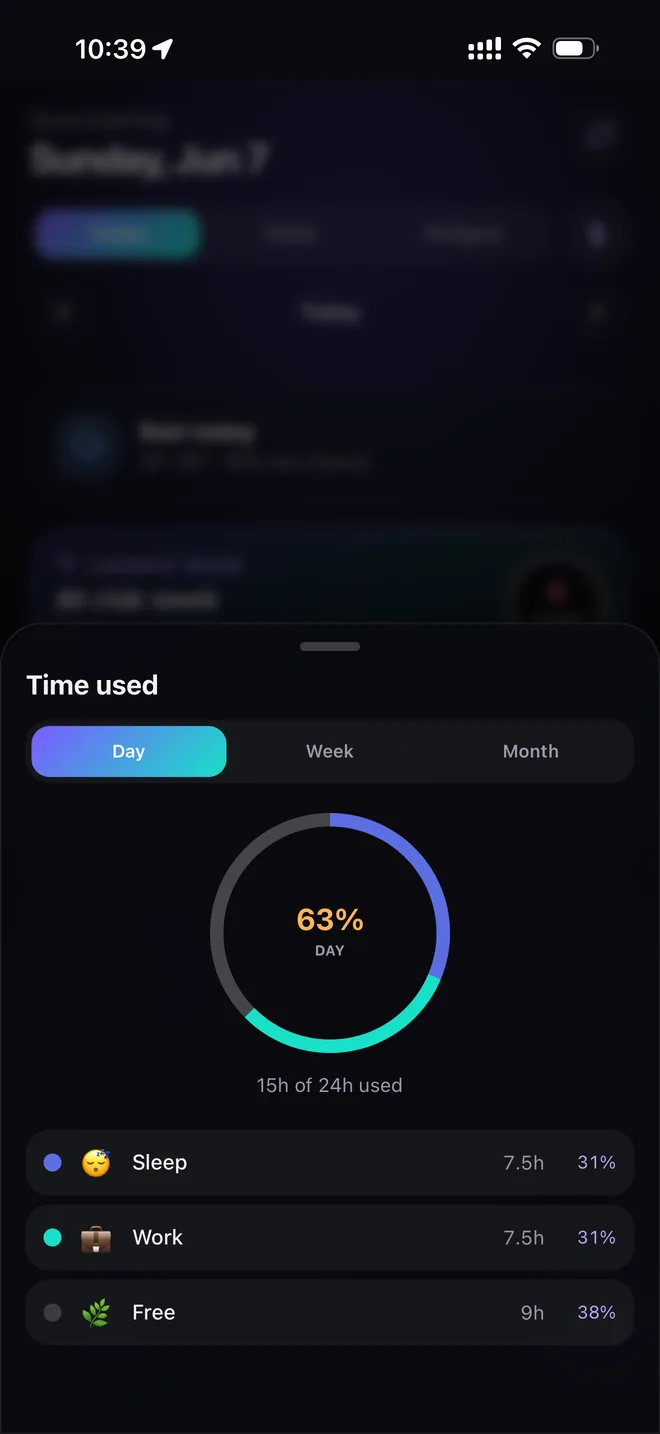
Begin with complete academic dates
A study planner can only make a sound plan when the exam and assignment dates are correct. Import your class timetable, then use the syllabus importer to collect graded work, exam dates and important readings.
Keep the deadline itself separate from preparation sessions. An exam at 9 AM is a fixed event; reviewing chapters, doing practice questions and travelling to campus are supporting blocks that can move.
Break large work into named sessions
“Study chemistry” is difficult to start and hard to measure. Give each block a concrete purpose: review lecture 6, complete ten practice problems, outline the essay, or check citations. Smaller named sessions make it easier to continue after a disrupted day.
- Estimate the work in several short sessions rather than one marathon.
- Place the first session early enough to discover missing material.
- Keep a final review block before the deadline, not after it.
- Add realistic breaks and travel between locations.
Respond to an overloaded week
If study time collides with work or classes, do not silently double-book it. Ask the Planner to find another time, reduce lower-priority work, or spread the preparation across more days. Fasti can show a before-and-after proposal so you can judge the tradeoff.
Protect essential sleep and immovable commitments first. A plan that uses every open minute may look efficient but leaves no room for a late bus, longer assignment or ordinary fatigue.
Close the loop after each week
Use a short review to compare planned and completed sessions. Move unfinished work intentionally, update future estimates and notice which days repeatedly become overloaded. The goal is not a perfect streak; it is a plan that becomes more accurate as you use it.